Ads ·
Explain How ChatGPT Ads Work & Where They Appear
Understand the mechanics of ChatGPT ads, where sponsored recommendations appear in conversational AI, and how local brands can prepare.
The Shift in Kenyan Search Habits
The way Kenyans search for products and services is shifting. Instead of typing fragmented keywords into a search engine like Google, professionals, business owners, and consumers are turning to conversational AI for detailed answers. They ask questions like which commercial solar provider in Westlands has experience with three-phase power systems and can handle KPLC net-metering paperwork.
As OpenAI rolls out advertising formats to monetise its user base, digital marketers across East Africa must understand how these ads function. This guide explains how ChatGPT ads work, where they appear within user conversations, and what local businesses need to consider before investing budgets.
Understanding the Shift to Conversational Advertising
Traditional digital advertising relies on search intent or social scrolling. You search for a product, and keyword-targeted ads appear at the top of the results page. On Meta, ads interrupt your feed based on your demographic profile and inferred interests.
Conversational advertising operates differently. It integrates into a dialogue between a user and an AI assistant. When a user asks ChatGPT for advice, comparisons, or recommendations, the AI does not just pull a list of blue links. It synthesizes information. Sponsored elements within this environment do not look like standard banner ads or sidebar text blocks. They appear as contextual recommendations woven directly into the response or displayed as targeted follow-up suggestions generated by the context of the chat.
For Kenyan brands accustomed to running campaigns via Meta Ads Manager or Google Ads, this requires a fundamental shift in mindset. You are no longer bidding on a keyword string alone. You are optimising for semantic relevance within a multi-turn conversation.
How ChatGPT Ads Work in Practice
While OpenAI's exact auction mechanics, bidding systems, and targeting parameters continue to evolve, the foundational architecture of conversational ads rests on several core principles.
Context First
ChatGPT ads are triggered by the ongoing context of the conversation, not just a standalone search query. If a user spends ten messages discussing supply chain bottlenecks for a retail business in Mombasa, a subsequent recommendation for a logistics platform will be weighted heavily by that prior conversation history. The ad must match the exact stage of the problem the user is trying to solve.
Clear Labelling and Transparency
To maintain user trust, sponsored recommendations within AI platforms must be clearly distinguished from organic AI output. Just as Google labels paid results with a small tag, ChatGPT highlights paid placements or sponsored product integrations so the user knows commercial incentives are at play.
Native Integration Over Interruption
Unlike a video ad that forces you to watch five seconds before skipping, or a pop-up banner that blocks your phone screen, conversational ads are designed to feel native to the dialogue. If a user asks for software recommendations to handle payroll and inventory for a wholesale shop, a sponsored software tool appears as a viable option alongside organic suggestions, complete with a brief explanation of why it fits the user's specific constraints.
Where Ads Appear in User Conversations
Understanding the placement of ads in a text-based, conversational interface is necessary for marketers. Because there are no traditional web sidebars or static display banners in a clean chat window, ads typically manifest in three primary locations.
1. In-Stream Contextual Recommendations
When the AI generates a list of options, products, or service providers in response to a complex prompt, one of those positions may be a paid placement. For example, if a user asks for recommendations on business accounting software available in Kenya, the response might natively include a specific platform that has sponsored that recommendation slot, integrated into the bulleted list with an explanatory rationale.
2. Follow-Up Prompt Suggestions
At the bottom of a response, ChatGPT often suggests relevant follow-up questions or actions. Advertisers can sponsor these prompt chips. Clicking a sponsored suggestion takes the user down a specific conversational path controlled or influenced by the brand, initiating a direct dialogue with the brand's custom conversational agent or lead-capture mechanism.
3. Dedicated Shopping and Comparison Panes
For retail, e-commerce, and transactional queries, interface layouts often feature modular cards or interactive side-panes. When a user asks about specific consumer goods, such as comparing smartphone models available from local retailers, sponsored product cards with direct links, pricing details, and stock availability can appear adjacent to or directly within the chat interface.
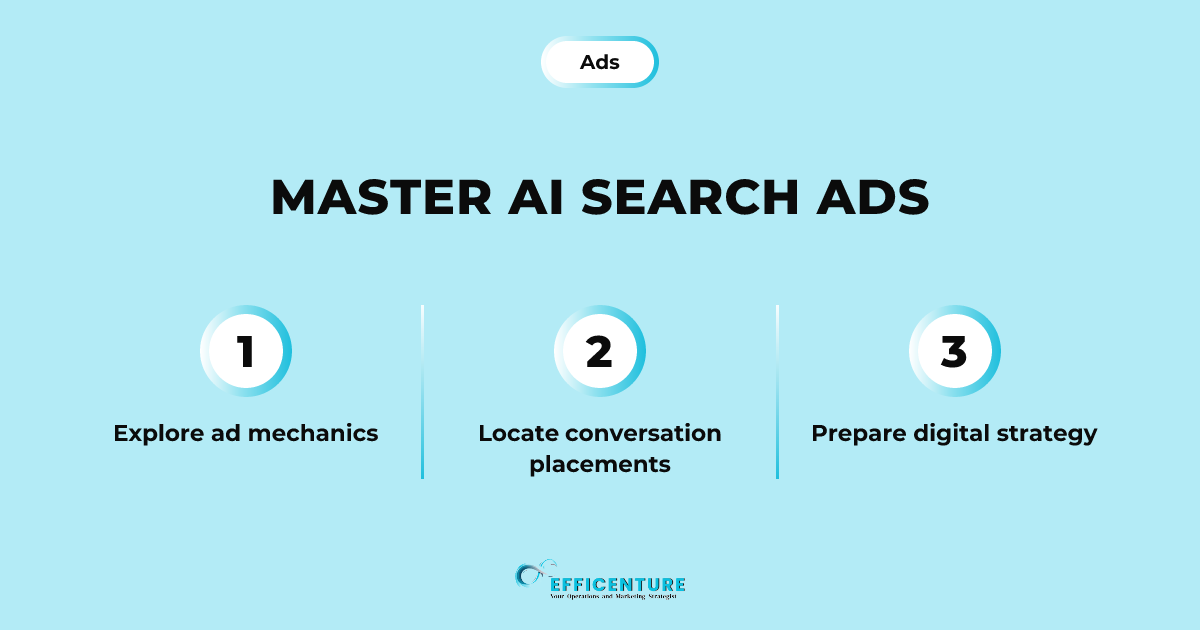
Preparing Your Digital Strategy for AI Search
Integrating conversational ad formats into your broader marketing mix requires preparation. While self-serve dashboards, pixel tracking, and custom audience lists are becoming standard features across major ad platforms, the unique nature of AI search demands operational readiness.
Before allocating budget to conversational ads, businesses should ensure their foundational digital presence is optimised. If ChatGPT crawls the web to gather context on Kenyan service providers, your website, reviews, and directory listings must clearly state what you do, who you serve, and your geographic coverage.
To build a digital presence that supports both traditional search and AI-driven platforms, explore our foundational approach to Digital Marketing.
Aligning Messaging with AI Logic
Keyword stuffing does not work in conversational AI. Because the model reads and synthesizes natural language, your landing pages and content assets must provide deep, factual answers to customer pain points. If you offer specialised services, your content should clearly address specific technical capabilities or service tiers. It should cover geographic areas served, such as specific neighbourhoods, regional hubs like Kisumu or Nakuru, or pan-East African reach. It should also include transparent pricing structures or clear guidelines on how quotes are calculated.
For businesses looking to refine how their brand information is structured and retrieved by search algorithms and AI models alike, specialised Search Engine Optimization helps ensure your business data is accurate and accessible.
Measurement and Campaign Management
Measuring the impact of ads within a conversational platform differs from tracking a standard click-through rate on a banner ad. Conversational interactions often involve multiple turns before a user decides to convert, fill out a lead form, or complete a transaction on a local e-commerce platform.
Attribution models for conversational ads will likely rely on conversational milestones rather than direct last-click attribution. Did the user ask for the physical store location in the Nairobi CBD after seeing the sponsored recommendation? Did they click through to the Lipa na Mpesa checkout page via a prompted link?
Marketers will need to track user intent shifts over the course of an AI chat session. Setting up custom event tracking on your website and integrating your CRM with conversational API endpoints will help you measure the real return on investment from these emerging channels.
Frequently asked questions
How do ChatGPT ads differ from traditional Google or Meta ads?
Traditional ads rely on keyword searches or social media scrolling to interrupt users with banner ads or sponsored posts. ChatGPT ads integrate directly into a back-and-forth dialogue between the user and the AI, appearing as contextual recommendations based on the ongoing conversation.
Where are users likely to see sponsored content in a chat interface?
Ads appear in three main ways, including in-stream contextual recommendations within a generated list, sponsored follow-up prompt suggestions at the bottom of a response, and dedicated shopping panes for retail queries.
How should Kenyan businesses prepare their websites for conversational AI search?
You need to move away from keyword stuffing and focus on clear, natural language. Ensure your website details your exact services, geographic coverage in areas like Westlands or Mombasa, pricing guidelines, and technical capabilities so AI crawlers can easily understand your offerings.
Why is measuring conversational ads different from standard digital marketing?
Conversational ads involve multi-turn dialogues where users ask follow-up questions before taking action. Measurement focuses on conversational milestones and intent shifts over time rather than simple last-click attribution on a banner ad.
Weekly Insights
One useful idea a week, on what you care about
A two-minute weekly briefing for growing businesses: the insight worth knowing on each topic you pick, why it matters, one thing to do that week, and the guides that go deeper. Unsubscribe any time.